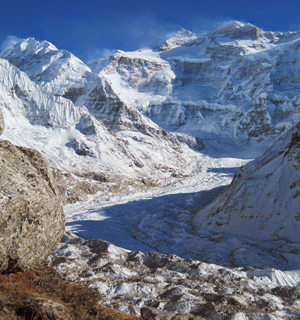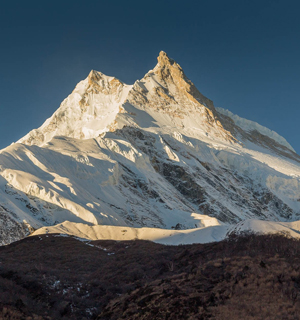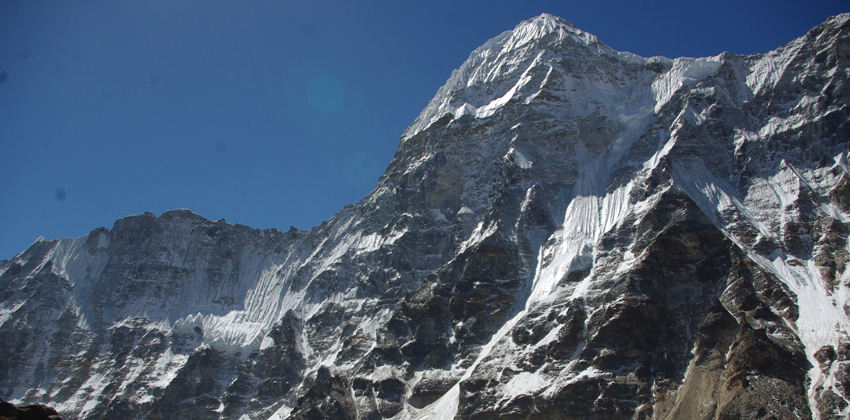
In the east of Nepal, Mount Kanchenjunga, an icy sentinel of unparalleled beauty, spiritual significance and raw power, rises majestically. It is the third highest mountain in the world after Mount Everest and K2. It is a towering 8,586 meters tall, dominating the horizon.Kanchenjunga is a closely guarded secret of the high Himalayas, unlike its highly commercialised cousins in the Khumbu or Annapurna areas. It's a sanctuary where the wild is untouched, the trails tell old stories and each step is a real, unadulterated trip into the wild.
This is wilderness in the east. This is the ultimate Himalayan mountaineering and trekking experience with Encounters Nepal for the adventurous soul who wants to know the meaning of solitude, dramatic alpine landscapes and a sense of physical and mental endurance.
Know the Giant: The Five Treasures of Snow
The name itself, Mount Kanchenjunga, poetically translates from Tibetan and local dialects as “The Five Treasures of Great Snow.” The name refers to the five great treasures of divine grace, which are said to be kept in its icy heights, viz: gold, silver, jewels, grain and sacred books. The massive massif has five distinct soaring peaks all above 8,400 meters and dominates the formidable international border between Nepal and the Indian state of Sikkim.
Kanchenjunga Main: 8,586meters (The ultimate crowning glory of the massif)
Kanchenjunga West (Yalung Kang): 8,505 meters
Kanchenjunga Central: 8,482 meters
Kanchenjunga South: 8,494 meters
Kangbachen: 7,903 meters
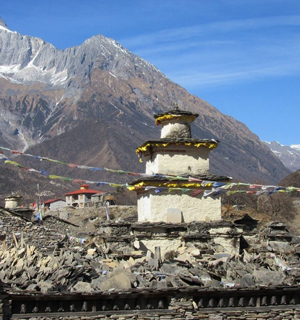
For local indigenous communities such as the Rai, Limbu, Sherpa and Bhotiya the mountain is not just a geological entity but a living god. But in the traditional practice, the successful historic summiteers have stopped a few feet short of the literal highest point, as a sign of their profound respect for the local spiritual traditions and the sacred laws, so that the unblemished purity of the divine abode can remain intact. With Encounters Nepal, walk through these valleys and your guides will share the rich folklore, cultural taboos and spiritual etiquette that govern life in the shadow of this great peak.
Why Should You Choose Encounters Nepal for a Kanchenjunga Expedition?
Trekking in the remote, wilderness eastern corner of Nepal is a different world to the well-worn, teahouse-lined trails of other popular regions. The terrain is rugged, logistics can be difficult and government regulations are strict, requiring special treatment and sponsorship from authorised agencies.
Travelling with Encounters Nepal ensures a trouble-free, safe and rewarding journey from start to finish. The Kanchenjunga region is a protected conservation area and solo trekking is not allowed. All travelers must be accompanied by a registered agency, licensed wilderness guides and the appropriate permits. Encounters Nepal has experienced guides who are familiar with the local trails, high-altitude acclimatisation schedules, and emergency evacuation protocols and have deep cultural links with the indigenous mountain families.
Deep Dive: The Best Trekking Routes to Mount Kanchenjunga
Generally when you are planning your unique expedition with Encounters Nepal you have 3 main options to see the grandeur of the mountain, each with their own set of challenges and visual rewards.
- Trek to Kanchenjunga North Base Camp (Pangpema)
Length: Approx. 18-20 days Max.
Altitude: 5,143 meters (viewpoint of Pangpema)
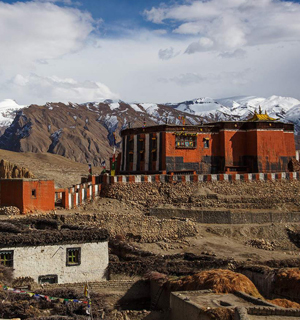
Highlights: This classic path takes you deep into the raw alpine wilderness via traditional Sherpa and Tibetan settlements like Ghunsa and Kambachen. At Pangpema you are surrounded by towering vertical ice walls and hanging glaciers framing a dramatic, amphitheatre-like view of the massive north face of Kanchenjunga.
2. Oktang Base Camp Trek of Kanchenjunga South
- Duration: Approximately 14-16 days
- Maximum Altitude: About 4,800 meters (Oktang view station)
- Highlights: Pass through dense, sub-tropical rhododendron forests, sparkling glacial rivers, and remote Rai and Limbu farming villages before opening out to the breathtaking, windswept glaciers of the south face at Oktang, where avalanches thunder down distant slopes safely in the distance.
3. Complete Kanchenjunga Circuit Trek
- Duration: 22-26 days
- Maximum Altitude: 5,200 meters (Crossing high, difficult passes like Sele La and Mirgin La)
- Highlights: The ultimate Himalayan experience for the seasoned trekker. This route links the North and South Base Camp via rough, high-altitude mountain passes. It rewards the dedicated traveler with ever-changing ecosystems, total wilderness solitude, and panoramic views that are unsurpassed anyplace along the eastern horizon.
Biodiversity Hotspots, Plants, and Animals
The entire trek to Mt. Kanchenjunga lies within the safe and flourishing boundary of the Kanchenjunga Conservation Area Project (KCAP). The protected zone, which covers an area of 2,035 square kilometres of difficult terrain, is an important ecological sanctuary for rare and endangered Himalayan wildlife that have disappeared from other over-developed areas.As you walk through a range of climatic zones, from subtropical bamboo forests and waterfalls to open alpine tundra, look out for extraordinary species:Mammals: Elusive snow leopard on high ridges, playful red pandas in bamboo canopies, Himalayan black bear, musk deer and sure-footed blue sheep.Bird life: Over 250 to 300 types of exotic birds including the brilliantly coloured blood pheasant, impeyan monal and the Satyr tragopan.Flora: Dense, primordial forests filled with blooming rhododendrons, cascading wild orchids, stately blue pines and scarce high-altitude medicinal plants used in traditional medicine.
Physical Preparation Essentials & Best Seasons
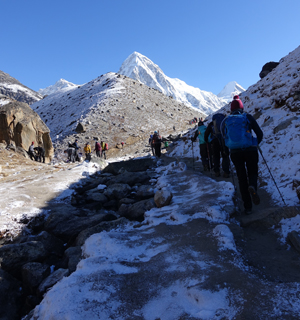
To cope with the rough trails of eastern Nepal, you need to be physically prepared, mentally tough, and pack correctly. Daily walking hours can be anywhere from 5 to 8 hours over steep, unrelenting inclines and rocky moraines, so cardiovascular training, leg strength exercises, and hiking with a weighted pack should begin a minimum of three to four months before your departure date.
Best Time to Visit
- Spring (March to May): Brilliant red, pink, and white wildflowers and giant Himalayan rhododendrons bloom in the lower hills. This time of year has warmer daytime temperatures, longer daylight hours, and vibrant landscape photography opportunities.
- Autumn (September-November): Most mountaineers consider this to be the best trekking season in Nepal, offering perfect blue skies, very stable weather conditions, very little precipitation, and excellent long-range views of the high peaks.
Sustainable Tourism and Local Cultural Interactions
Encounters Nepal is highly dedicated to protecting the pristine environment and unique cultural heritage of the Kanchenjunga region. Travel with us, and you are practicing responsible tourism. We make sure all the local porters and guides are paid a fair wage, have proper insurance, and get adequate high-altitude gear.
Moreover, our trekking groups strictly follow the principles of MIT, minimising the use of single-use plastics, respecting local religious shrines, and supporting community-run teahouses which directly benefit the families who live along the trail.
Start Your Himalayan Journey to Mount Kanchenjunga Today
A journey to Nepal is much more than a physical trek; it is a pilgrimage that changes one’s life, taking you into the raw, beating heart of the world’s most magnificent mountain range. You'll feel deep peace away from the distractions of modern digital life and the hustle and bustle of the city, enjoy the genuine warmth and hospitality of mountain lodges built of stone, and gain a lasting sense of personal triumph.
Let Encounters Nepal safely guide you over high mountain passes, through hidden river valleys, and to the very feet of the world’s third-highest giant. Get in touch with our team of experts today to tailor your personal Kanchenjunga itinerary and take the first big step toward the ultimate Himalayan adventure of a lifetime!