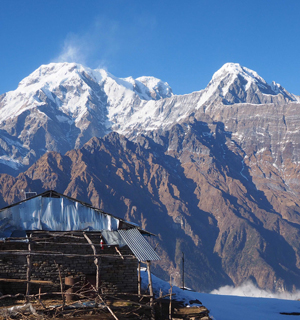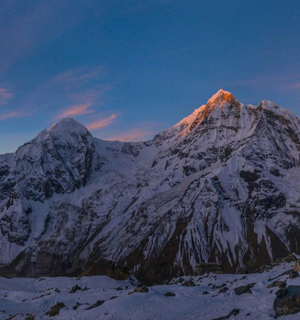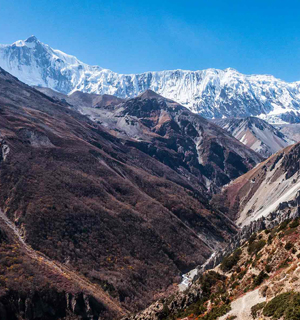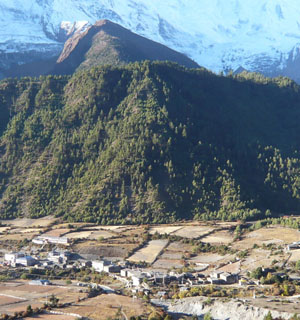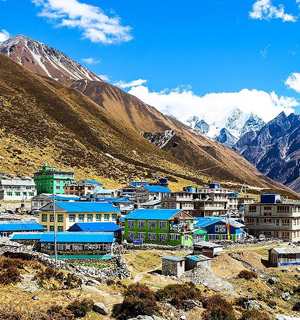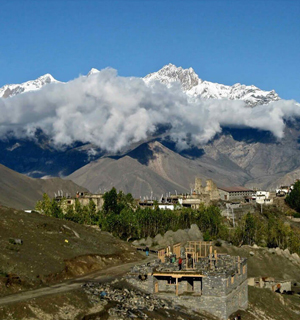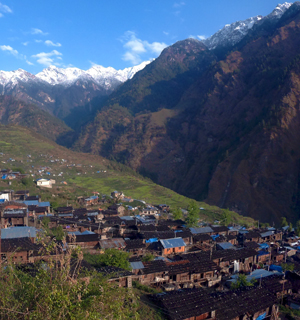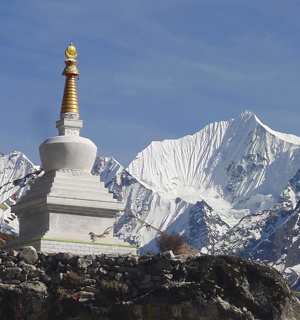
Discovery and exploration of the wonders of the Himalayas is on the “bucket list” of many adventure seeking and or nature loving travellers. If you are visiting Nepal, you may also like to combine your journey with a trip to one of the other nearby Himalayan regions or nations.
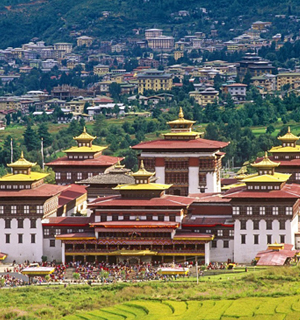
The beautifully situated main airport of Bhutan at Paro, is just a one hour scenic flight aloft towering snow covered peaks from Kathmandu. With EncountersNepal, you can visit this enchanted, green kingdom, renowned for its philosophy of Gross National Happiness and be assured you will experience the tranquility, the beauty and the Buddhist sense of peace and optimism through your guide, your driver and the calm interplay of landscape, spirituality and the striking local architecture.
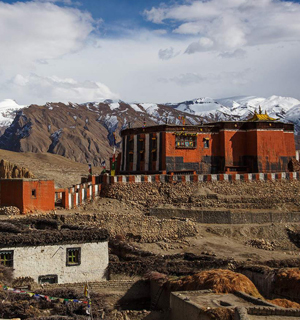
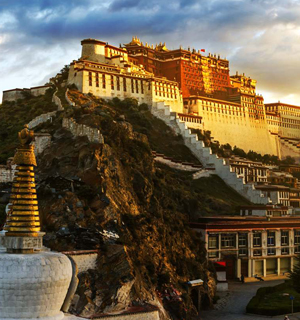
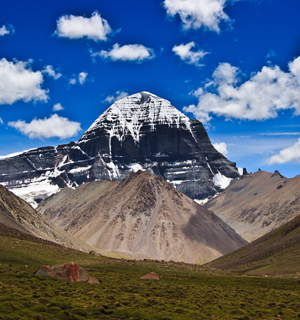
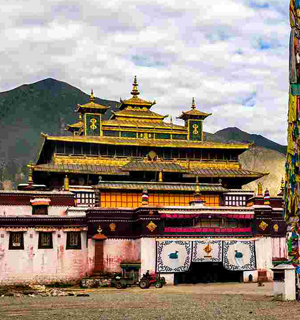
You may also wish to see for yourself the sacred monasteries and temples of Tibet. EncountersNepal offers short three or four day trips to Lhasa, the capital city at 3,600 metres altitude and the former home of the Dalai Lama, and the world renowned Potala Palace. If you have sufficient time and wish to explore more of this extraordinary region, then consider a scenic road trip to Darchen at the foot of Mt Kailash and trek the path around this sacred mountain along with many devout Hindu and Buddhist pilgrims. You can also experience the moving and unforgettable vistas of the north face base camp of Chongmolongma, which is the Tibetan name for Mt Everest.
Protected Areas in Nepal: Where Nature Truly Lives
Nepal may be a small country, but it holds an incredible range of landscapes and wildlife. From the hot lowland jungles of the Terai to the icy peaks of the Himalayas, Nepal has protected these natural treasures through a strong network of national parks, conservation areas, and wildlife reserves. Today, more than one-fifth of the country is protected, allowing nature, wildlife, and local cultures to thrive together.
Here is a human-friendly guide to Nepal’s most important protected areas.
Api–Nampa Conservation Area
Hidden in far-western Nepal, Api–Nampa feels untouched and peaceful. Snow-capped mountains, quiet forests, and traditional villages make it perfect for travelers seeking solitude and raw nature.
Shuklaphanta National Park
This park is best known for its endless grasslands and the largest herd of swamp deer in Asia. It is a wonderful place to enjoy wildlife safaris and birdwatching away from the crowds.
Khaptad National Park
Khaptad is calm, spiritual, and scenic. Wide green meadows, dense forests, and the ashram of Khaptad Baba give this park a unique blend of nature and meditation.
Rara National Park
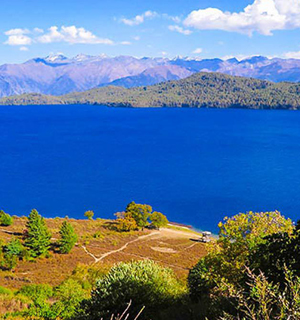
At the heart of this park lies Rara Lake, often called the most beautiful lake in Nepal. The deep blue water, pine forests, and quiet surroundings make it a magical destination.
Bardiya National Park
If you dream of seeing wild tigers in their natural home, Bardiya is the place. Less busy than Chitwan, it offers a true jungle experience with elephants, rhinos, and local Tharu culture.
Krishnasar (Blackbuck) Conservation Area
This small but important area protects the graceful blackbuck antelope. It is a great example of how local communities and conservation can work together.
Banke National Park
Banke plays a silent but vital role in protecting wildlife corridors. Though less visited, it supports healthy forests and helps animals move safely across regions.
Shey–Phoksundo National Park
Remote and breathtaking, this is Nepal’s largest national park. Phoksundo Lake, ancient monasteries, and dramatic cliffs make it feel like another world.
Dhorpatan Hunting Reserve
The only hunting reserve in Nepal, Dhorpatan balances controlled hunting with conservation. It is home to blue sheep, Himalayan tahr, and alpine landscapes.
Annapurna Conservation Area
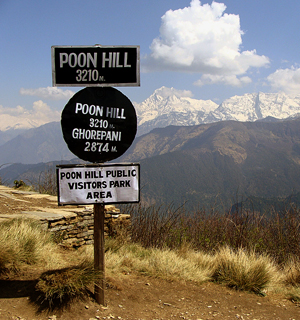
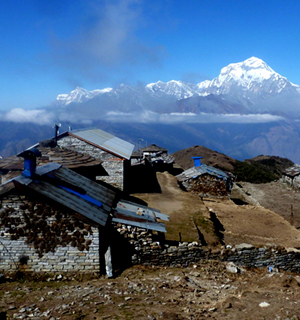
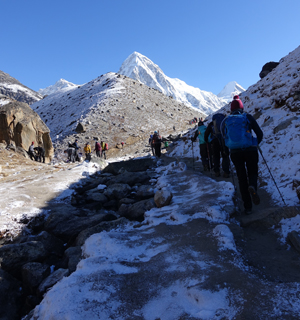
This is Nepal’s most famous conservation area. Trekking routes like the Annapurna Circuit pass through villages, forests, and high mountain passes, showing how tourism and nature can coexist.
Manaslu Conservation Area
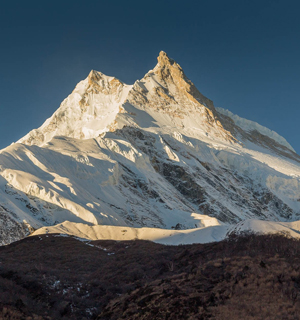
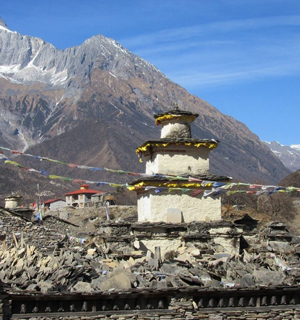
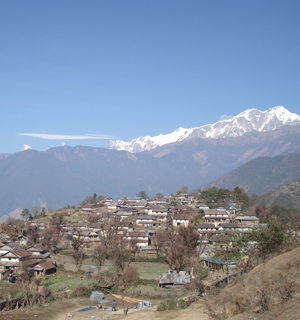
Surrounding Mount Manaslu, this area feels wild and cultural at the same time. Traditional Tibetan-influenced villages and quiet trails make it a favorite for serious trekkers.
Chitwan National Park
One of Nepal’s most iconic parks, Chitwan offers jungle safaris, canoe rides, and chances to see rhinos, crocodiles, and Bengal tigers. It is also a UNESCO World Heritage Site.
Parsa National Park
Located next to Chitwan, Parsa helps expand wildlife habitat. It is peaceful, forested, and increasingly important for tiger and elephant conservation.
Langtang National Park
Close to Kathmandu yet deeply Himalayan, Langtang combines glaciers, mountains, and Tamang culture. It is perfect for those wanting nature without traveling far.
Shivapuri–Nagarjun National Park
This park protects the green hills around Kathmandu Valley. Locals and visitors alike come here for hiking, fresh air, and birdwatching.
Gaurishankar Conservation Area
Named after Mount Gaurishankar, this area protects fragile mountain ecosystems and supports traditional mountain lifestyles.
Sagarmatha National Park
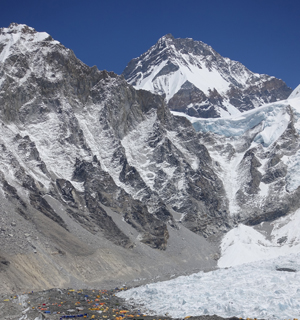
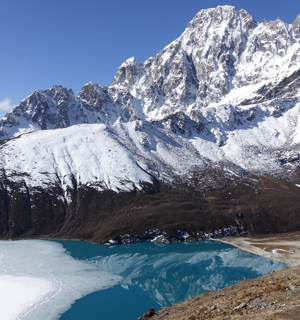
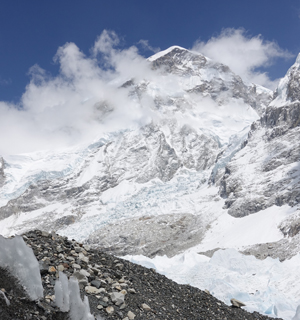
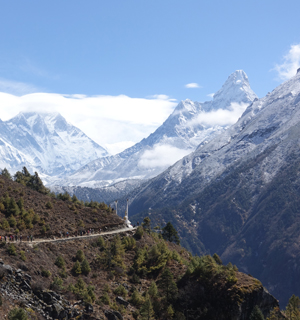
Home to Mount Everest, Sagarmatha is legendary. Beyond the world’s highest peak, it preserves Sherpa culture, glaciers, and rare high-altitude wildlife.
Makalu Barun Buffer Zone
This buffer zone supports villages around Makalu Barun National Park, helping people and nature live in balance.
Kanchenjunga Conservation Area
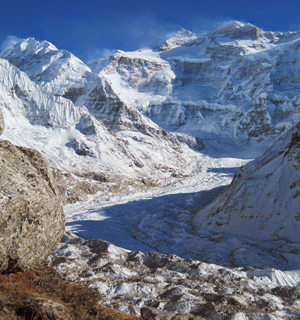
In far eastern Nepal, this remote area protects Mount Kanchenjunga and some of the country’s most untouched landscapes and cultures.
Koshi Tappu Wildlife Reserve
A paradise for bird lovers, Koshi Tappu is Nepal’s most important wetland. It is also home to the last wild water buffalo in the country.
Makalu Barun National Park
One of Nepal’s most biologically diverse parks, Makalu Barun stretches from tropical forests to icy peaks, sheltering rare plants and animals.
Why Nepal’s Protected Areas Matter
Nepal’s protected areas are not just about animals and forests. They protect water sources, local cultures, livelihoods, and future generations. For travelers, they offer unforgettable experiences. For Nepal, they are a promise to protect nature while welcoming the world responsibly.