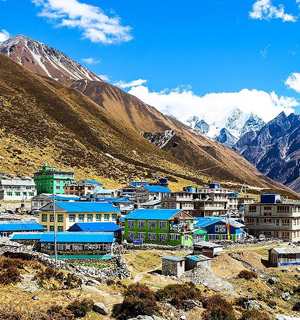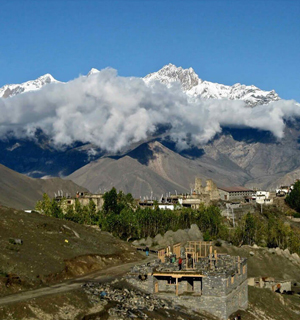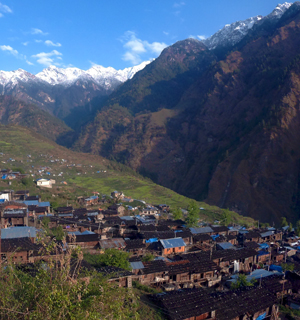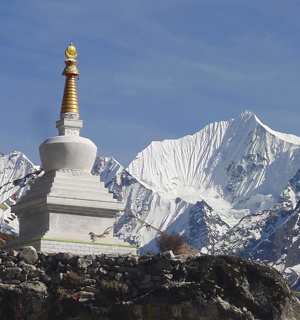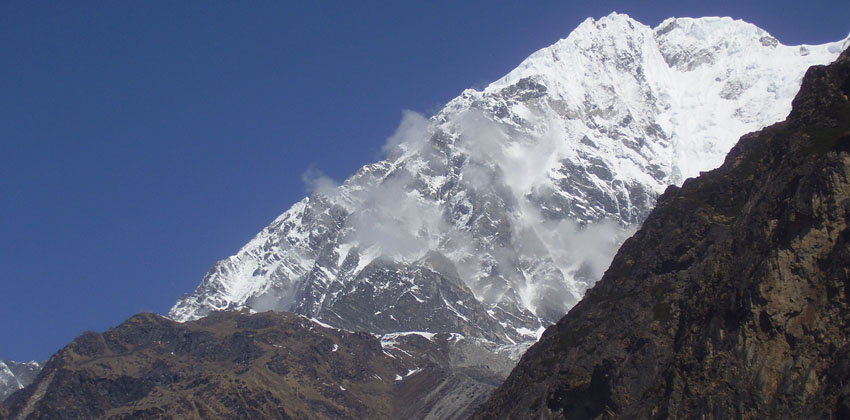
Trekking in the Nepal Himalayas offers an unparalleled combination of spiritual profundity and natural beauty, making it the ultimate pilgrimage for any outdoor enthusiast. These mountains provide a profound sense of inner peace and a transformative experience that tests the limits of human endurance. Whether you are trekking the renowned high-altitude hikes to Everest Base Camp or passing through the historic rhododendron woodlands of the Annapurna Sanctuary, the sheer magnitude of the peaks offers a humbling perspective. The experience is characterized by shifting landscapes, from lush subtropical lowlands to the desolate, windswept alpine deserts of the high-altitude rain shadows. For most travelers, the best windows are either the clear, crisp post-monsoon days of October or the flowering months of spring.
The legendary teahouse culture, where weary trekkers find refuge in small mountain lodges, is a key part of what makes a trip to Nepal so special. These remote outposts offer a glimpse into the resilient lives of the Sherpa, Tamang, and Gurung people, whose warmth is well-known, even in the face of hardship. Dal Bhat, a hearty meal of rice and lentils that fuels you for the demanding ascents, is the lifeblood of the trail. While the scenery is stunning, the real challenge often comes from the invisible grip of altitude, not the terrain itself.
Success demands a patient, methodical approach. This means allowing for proper acclimatization and staying well-hydrated, given the high-altitude environment.
More than just the physical demands, these mountains provide a mental reset, something that's becoming harder to find in today's world.
Every mile is infused with the spiritual tradition of the Himalayas, from the rhythmic spinning of colorful prayer wheels to the sincere Namaste shared with every passing native. Before the towering peaks of Manaslu or the sacred Machhapuchhre, the usual noise of our lives fades away, replaced by the quiet of falling snow. Sure, there are physical hurdles – chilly nights, aching limbs – but the human spirit always emerges richer. This moving meditation allows for a unique focus, helping you step back from the world.
Planning a 2026 trek means knowing Nepal's varied landscapes, from well-trodden paths to secluded, off-limits areas. If you're after those iconic vistas, the Everest region is still the best bet, though the Annapurna Circuit offers a stunning array of geography.
For hikers with limited time, shorter routes like the Langtang Valley or Mardi Himal offer stunning views without requiring a multi-week commitment. Having high-quality gear, such as sturdy hiking boots and moisture-wicking layers, is essential for safety on any route. Considering the consequences on the environment also requires adopting the Leave No Trace attitude. Hiring local guides not only ensures your safety but also directly supports the mountain economy and promotes a sustainable future.
In conclusion, trekking in the Nepal Himalayas is an experience that endures long after the dust has been removed from your boots. It is a rare opportunity to see the pure power of nature and engage with cultures that have persisted for centuries. Your memories of seeing a breathtaking sunrise hit a snow-capped mountain inspire you in your daily life. As you descend toward the bustling streets of Kathmandu, you often have a bittersweet sense of leaving behind a simpler, more beautiful environment. Nepal's mountains change not just your itinerary but also your perception of what really matters. The high-altitude pathways await your once-in-a-lifetime trip.