Feel the thrill of the Himalayas with team of highly experienced trekking professionals.

Walk the Sanctuary, Discover Yourself.

Home » Destinations » Nepal » Trekking in Nepal » Trekking in Annapurna Region » Annapurna Base camp Trekking
From USD USD 1.1K
100% 5 star based on 81 reviews.
Based on TripAdvisor Reviews
Annapurna Base camp Trekking

Annapurna Base camp Trekking

Trip Highlights & Facts:

  • Trip Duration: 15 Days (13 Trekking Days)

  • Max Altitude: 4300{m} (Annapurna Base Camp)

  • Difficulty: Fairly Challenging to Strenuous

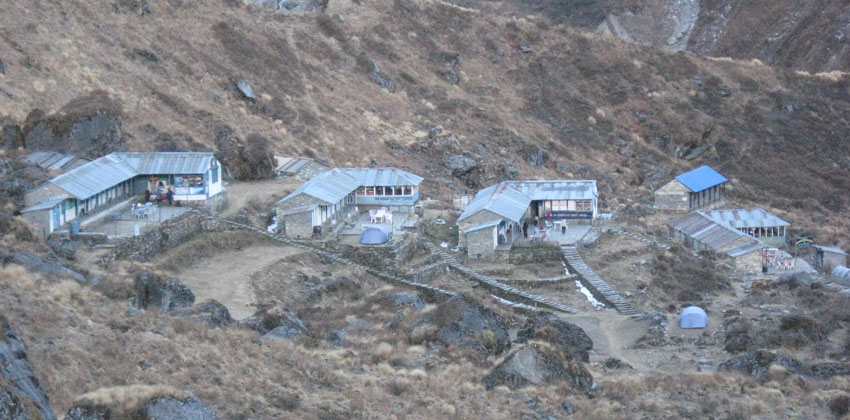
  • Trek Type: Classic Teahouse / Lodge Stay

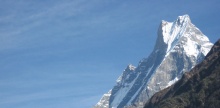
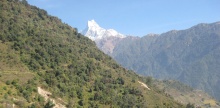
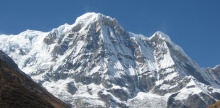
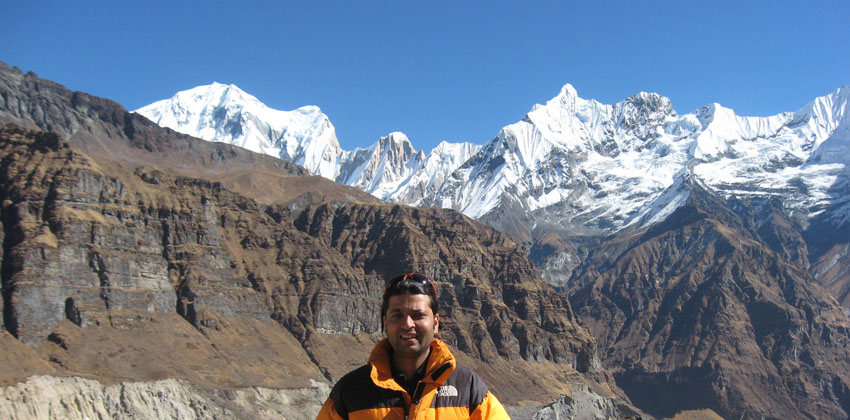
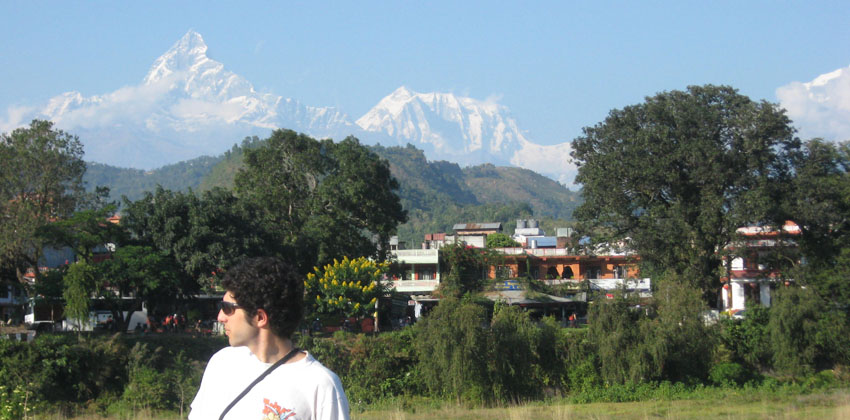
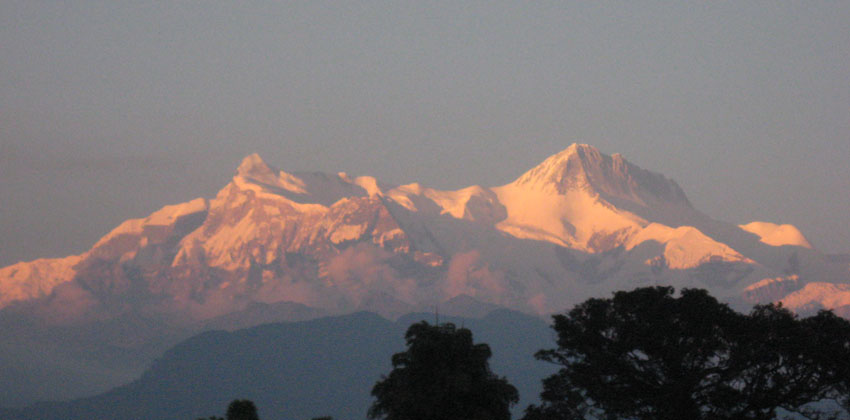
  • Main Peaks: Annapurna I, Dhaulagiri, South Annapurna, Hiunchuli , Manaslu, and Fishtail (Machhapuchhre)

  • Permits: ACAP (USD 20) & TIMS Card (NRS 2000) included.

Annapurna Base Camp: A 15-Day Journey to the Heart of the Sanctuary

The Annapurna Base Camp (ABC) trek is more than just a hike to a summit; it’s a 15-day invitation to slow down and truly live in the mountains. While many rush through shorter routes, our carefully crafted 15-day ABC itinerary is built on a "no-rush" philosophy. We prioritize your comfort with extra time for altitude acclimatization, ensuring you feel strong and present as you enter the Annapurna Sanctuary—a breathtaking natural amphitheater cradled by 8,000m giants.

The Magic of the Sanctuary

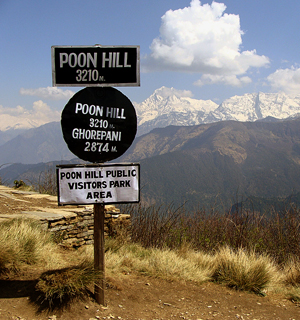
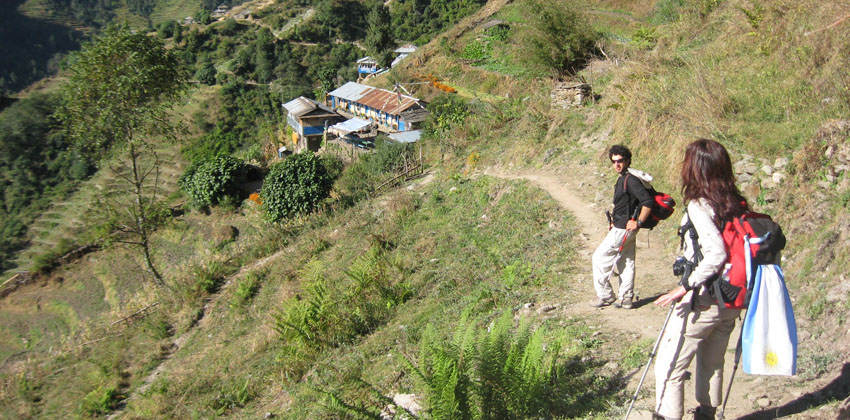
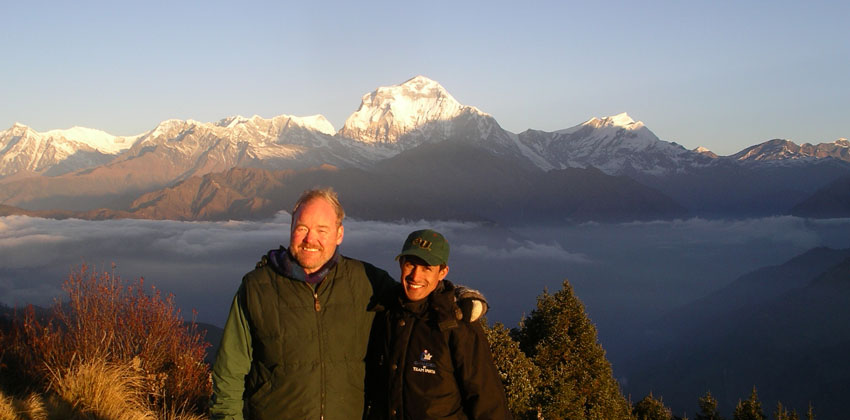
Beyond the physical trail, this journey is about finding your own rhythm in the Himalayas. By choosing this longer path, you leave the "trekker’s rush" behind. You’ll have the space to stand in quiet awe as the sun turns Dhaulagiri to gold from Poon Hill (3,210m) and wander through the ancient stone-housed villages of Ghandruk and Chhomrong. Here, you aren’t just a tourist passing through; you are a guest of the Gurung people, sharing in a heritage of mountain hospitality that has warmed travelers for centuries.

A Masterpiece in Bloom (March–May)

If you join us in the spring, you’ll witness the mountains at their most vibrant. This is the season of the Rhododendron bloom, where Nepal’s national flower (Lali Gurans) paints the hills in shades of crimson and soft pink. Walking through the "natural tunnels" of flowers between Ghorepani and Tadapani is a surreal experience—a vivid contrast of colorful life against the jagged, icy peaks of Annapurna South and Machhapuchhre (Fishtail).

Your Safety, Our Expertise

We believe the greatest luxury in the mountains is peace of mind. Navigating high-altitude terrain requires more than just a map; it requires intuition and experience. In the critical stretch between Himalaya Hotel and Deurali, our Encounters Nepal guides act as your eyes and ears. We monitor snow conditions daily and time our crossings for the safest early-morning windows. Reaching 4,130m is a triumph of patience and expert pacing—values we’ve mastered to ensure you don’t just reach the base camp, but enjoy every step of the way.
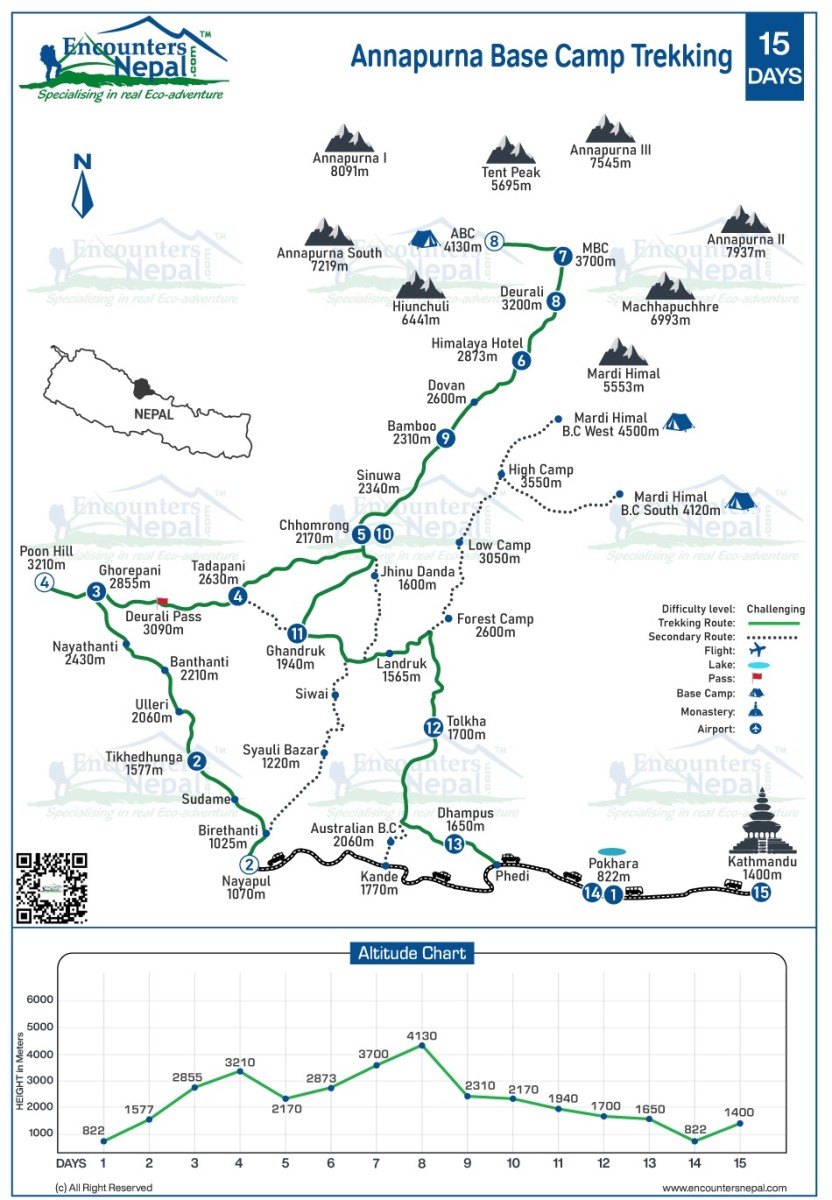
15-Day Annapurna Base Camp Trek Itinerary

  • Day 1: Kathmandu to Pokhara (822m) | 6–7 hrs drive or 25 min flight Scenic journey to the lakeside city of Pokhara.

  • Day 2: Pokhara to Tikhedhunga (1,577m) | 1 hr drive, 4 hrs trek Drive to Nayapul and begin the trek through lush sub-tropical forests.

  • Day 3: Tikhedhunga to Ghorepani (2,855m) | 6–7 hrs trek Challenge yourself with the famous 3,000+ stone steps of Ulleri.

  • Day 4: Ghorepani to Tadapani (2,630m) | 5–6 hrs trek Sunrise hike to Poon Hill (3,210m) for panoramic views of Dhaulagiri and Annapurna.

  • Day 5: Tadapani to Chhomrong (2,170m) | 5 hrs trek Walk through rhododendron forests to the largest Gurung village in the region.

  • Day 6: Chhomrong to Himalaya Hotel (2,873m) | 6 hrs trek Descend to Chhomrong Khola and climb through bamboo and oak forests.

  • Day 7: Himalaya Hotel to Machhapuchhre Base Camp (MBC) (3,700m) | 6–7 hrs Safety Note: Pass through Deurali. We start early to safely cross the avalanche-prone zones before noon.

  • Day 8: MBC to Annapurna Base Camp (ABC) (4,130m) | 2–3 hrs The ultimate goal! Reach the sanctuary at dawn for a 360-degree mountain view, then descend to Deurali.

  • Day 9: Deurali to Bamboo (2,310m) | 6 hrs trek A steady descent back through the Modi Khola valley.

  • Day 10: Bamboo to Chhomrong (2,170m) | 5 hrs trek Retrace your steps back up to Chhomrong village.

  • Day 11: Chhomrong to Ghandruk (1,940m) | 5 hrs trek Trek to the beautiful, stone-housed village of Ghandruk.

  • Day 12: Ghandruk to Tolkha (1,700m) | 5 hrs trek Enjoy the cultural landscape and terraced fields.

  • Day 13: Tolkha to Dhampus (1,510m) | 5 hrs trek A gentle walk with final views of the Annapurna range.

  • Day 14: Dhampus to Pokhara | 2 hrs trek, 1 hr drive Last leg of the trek to Phedi/Kande and drive back to Pokhara for a well-earned rest.

  • Day 15: Pokhara to Kathmandu | 6–7 hrs drive or flight Return to the capital for your final departure or onward journey.

Price Includes ?

  • Permits: All necessary trekking permits including Annapurna Conservation Area Project (ACAP) and TIMS Card.

  • Meals: Three full meals a day (Breakfast, Lunch, and Dinner) during the trekking period.

  • Accommodation: Clean and comfortable teahouse/lodge accommodation throughout the mountain trek.

  • Transportation: Kathmandu to Pokhara (and return) via tourist bus, plus local transport to the trek starting and ending points.

  • Expert Guide: A professional, English-speaking, government-licensed guide (insured and well-equipped).

  • Porter Support: Experienced porters to carry your luggage (1 porter for every 2 trekkers, max weight limit applies).

  • Safety: Basic medical kit box and emergency coordination services.

  • Taxes: All government taxes, office service charges, and staff insurance.

Price Excludes ?

  • International Travel: Airfare to/from Nepal and Nepal entry visa fees.

  • Accommodation in Cities: Hotel stays and meals in Kathmandu and Pokhara (unless pre-booked).

  • Drinks & Snacks: All bar bills, bottled water, soft drinks, alcohol, and specialty teas/coffees.

  • Personal Expenses: Hot showers, battery charging, Wi-Fi fees, laundry, and telephone calls.

  • Gear: Personal trekking equipment (sleeping bags, down jackets, hiking boots).

  • Insurance: Mandatory travel insurance covering emergency helicopter evacuation and medical expenses.

  • Tips: Gratuities for the guide and porters as a gesture of appreciation for their hard work.

  • Unexpected Costs: Any costs arising from flight delays, strikes, or weather-related itinerary changes.

 Safety Alert

The stretch between Hinku Cave, Deurali, and Machhapuchhre Base Camp (MBC) is the most critical safety zone of the entire Annapurna Base Camp trek. Due to the narrow gorge and steep slopes of Hiunchuli and Annapurna South, this area is highly prone to avalanches.

The "Danger Zone" Location

  • Primary Risk Area: Between Hinku Cave and Deurali, extending up toward Machhapuchhre Base Camp (MBC).

  • Why? The valley becomes a narrow "chute." Snow from the high peaks above can slide directly onto the trekking path.

Critical Safety Tips

If you are planning your trek, keep these "rules of the trail" in mind:

  • The "Before 11:00 AM" Rule: Most avalanches occur later in the day when the sun warms the snowpack, making it unstable. You should aim to pass the Deurali-to-MBC section as early in the morning as possible (ideally starting by 6:00 AM or 7:00 AM).

  • Check with Lodge Owners: Before leaving Deurali, always ask the lodge owners about the current trail conditions. They are in constant contact with other lodges and know if a slide has occurred or if the "Winter Route" is being used.

  • The Winter/Alternate Route: During high-risk periods (January – April), there is often an alternate trail on the opposite side of the Modi Khola river. Do not follow the main summer trail if locals advise using the alternative.

  • Avoid After Heavy Snow: If it snowed more than 12 inches (30cm) the previous night, do not move. Wait at least 24–48 hours for the snow to settle and for natural slides to finish.

  • Move Quickly and Quietly: When crossing known avalanche chutes (marked by rocky gullies), do not stop for photos or rests. Walk steadily until you reach a safe, forested, or widened area.


High-Risk Seasons

  • January to April: Highest risk due to heavy winter snow accumulation and spring melting.

  • Recent Incident Note: In March 2025, a solo trekker was tragically lost in an avalanche in this exact section. This led to stricter enforcement of the "No Solo Trekking" rule in Nepal.