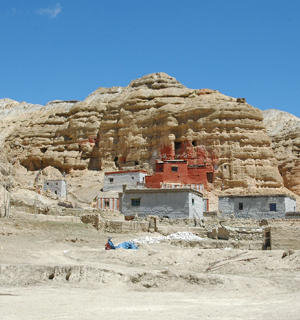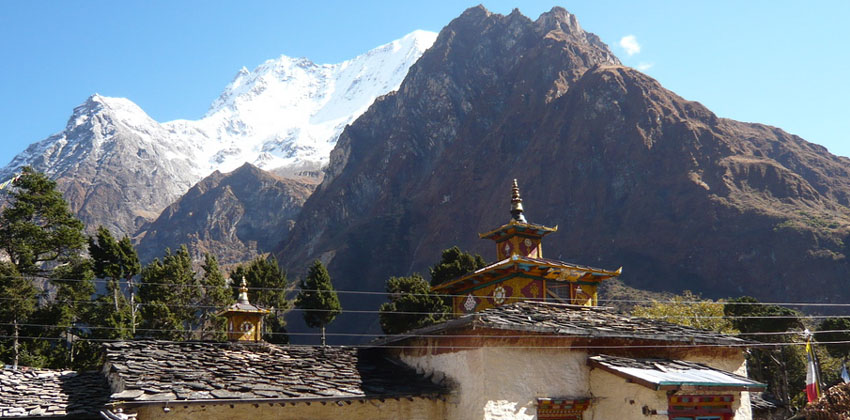
The Manaslu Circuit and the Tsum Valley trek together make for an amazing Himalayan trip that tests your physical strength while also immersing you in the local culture. The trail starts in the Budhi Gandaki valley and goes through steep gorges before splitting off to the east into the "Hidden Valley of Happiness." For years, no one from outside the area could enter this holy place. This kept its Tibetan Buddhist heritage intact. The trek is one of a kind because it combines the high-altitude challenge of a classic circuit with the closeness of a cultural pilgrimage. Hikers can see the change from subtropical forests to the stark, frozen beauty of the high mountains by going to both areas. It is a hard journey that needs a permit and a lot of strength, but the reward is a real experience in one of Nepal's most beautiful and remote areas. The landscape changes into a sanctuary as you enter the Tsum Valley. The daily lives of the Tsumba people are still centered on their ancient customs. This valley is a protected area where no animals can be killed. The spiritual laws that govern it protect all living things and create a very peaceful atmosphere.
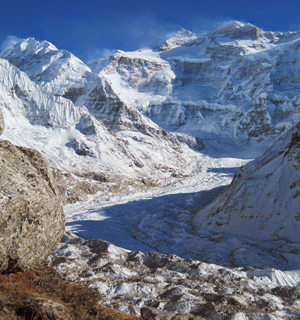
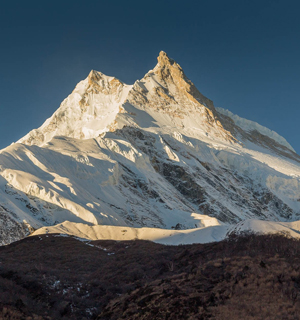
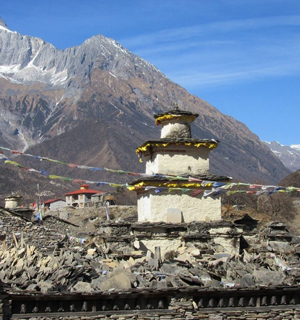
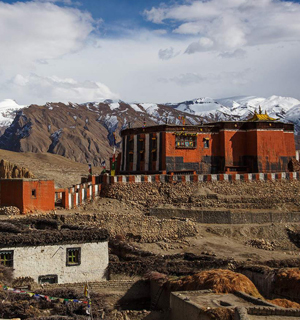
Along the trails, there are impressive mani walls and small chortens that lead people to old monasteries like Rachen Gompa. The hospitality here is simple and honest, giving you a rare look at a way of life that hasn't changed much over the years. This detour isn't just for the scenery; it's also a chance to meditate and relax before the trek goes back to the main circuit path, which is more rugged and challenging, on its way to the great peaks. The trip's northernmost point is Mu Gompa, a lonely monastery that sits at 3,700 meters near the Tibetan border. The air here is thin and quiet, with only the sound of monks chanting and the wind whistling through the mountains. This high plateau is a very important place for acclimatization. It lets the body get used to the height while the mind takes in the views of the Ganesh Himal. You live simply in the monastery guesthouse, which gives you a taste of what life is like on the edge of the world. You can really feel the connection to the land here, with golden eagles flying overhead and yaks eating the sparse plants. When you leave Mu Gompa, it feels like you're leaving a secret world, and you bring back a sense of peace as you go down the valley. As you get back on the main Manaslu trail, the view gets much more dramatic as you can see the huge peak of Manaslu in full view. The "Mountain of the Spirit" is the tallest mountain in the area at 8,163 meters. Its two peaks stand watch over the valley. The trek goes through the village of Lho, where the local monastery makes a beautiful foreground for the mountain covered in ice. Wide glacial valleys and more high-alpine terrain are what make this part of the country unique. With each step forward, you get a new view of the Himalayas' raw power. You meet Tibetan traders and climbers getting ready for their climbs in Samagaon, the busy center of the upper Manaslu region and a base for high-altitude exploration. Samdo is the last village where people can live permanently before the high pass. It is in a cold, windy valley near the border. This small village is made up of stone houses, and life there is shaped by the harsh seasons and the needs of the animals. Trekkers take this time to rest and get their gear ready for the Larkya La challenge that is coming up. People from all over the world come to the teahouses to work together toward a common goal. The atmosphere is a mix of excitement and quiet focus. You can see the Larkya Glacier from short hikes to nearby ridges. This is a reminder of the frozen wilderness that lies ahead.
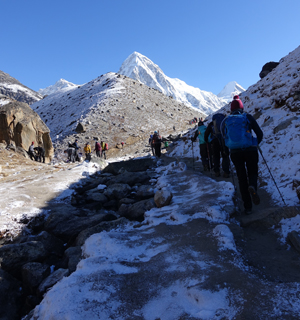
The thin air and tall ridges tell you that this is a place of anticipation. Crossing the Larkya La Pass at 5,106 meters is the hardest and most rewarding part of the whole circuit. The climb usually starts in the dark, with headlamps lighting the way through frozen snow and loose scree. In the low-oxygen environment, every breath is a conscious effort that tests the limits of physical and mental strength. When the sun rises over the peaks, reaching the summit is an unforgettable moment of victory that gives you a 360-degree view of the Himlung Himal and the Annapurna massif. The long, steep descent goes down to the beautiful alpine meadows of Bimthang. This crossing is the highest point of the journey, a bridge between two very different mountain worlds that requires a lot from the hiker and gives back even more. The last part of the trail down from Bimthang takes you back into the lush rhododendron and pine forests, which is a nice change from the pass's starkness. The air is thick and full of oxygen, which gives you a sudden burst of energy as you walk along the river to the end of the trail. This last part gives you a chance to think about how different things have been over the past three weeks. The trip is a full Himalayan epic, from the quiet monasteries of Tsum to the wind-whipped peak of Larkya La. The feeling of being alone goes away as the trail joins the newer Annapurna route, but the memories of the wild Manaslu wilderness stay. It is a trek that changes you and leaves a mark on you from the mountains.