Feel the thrill of the Himalayas with team of highly experienced trekking professionals.

Paldor Peak: The Hidden Throne of the Ganesh Himal.

Home » Destinations » Nepal » Peak Climbing in Nepal » Paldor Peak Climbing
From USD USD 4.2K
100% 5 star based on 81 reviews.
Based on TripAdvisor Reviews
Paldor Peak Climbing

Paldor Peak Climbing

Paldor Peak Climbing: The "Dhading Diamond" Quick Facts

Feature Details
Total Trip Duration 18 Days
Trekking Days 16 Days
Max Altitude 5,923m (19,432 ft)
Difficulty Grade Hard / Technical Alpine
Type of Trek Teahouse / Lodge (with Tents at BC)
Location Dhading District (Ganesh Himal Range)
Best For Adventure seekers wanting to avoid crowds

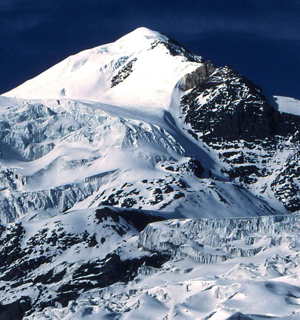
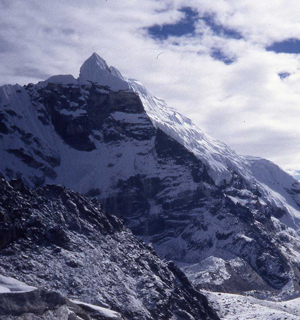
Paldor Peak climbing :Paldor Peak lying at the south-east end of the Ganesh Himal northwest of Kathmandu signifies the junction of the Karpu Dandas and Tiru at the top of the Mailung Khola, one of the branches of the Trishuli Gandaki River. Situated in a isolated set, Paldor peak climbing offers an attractive trekking route for its mountaineer. Paldor Peak was first mounted by Bill Tilman, Tenzing Sherpa, Peter Lloyd and Da Namgyal in the monsoon of 1949 taking up the route of North-East edge. 
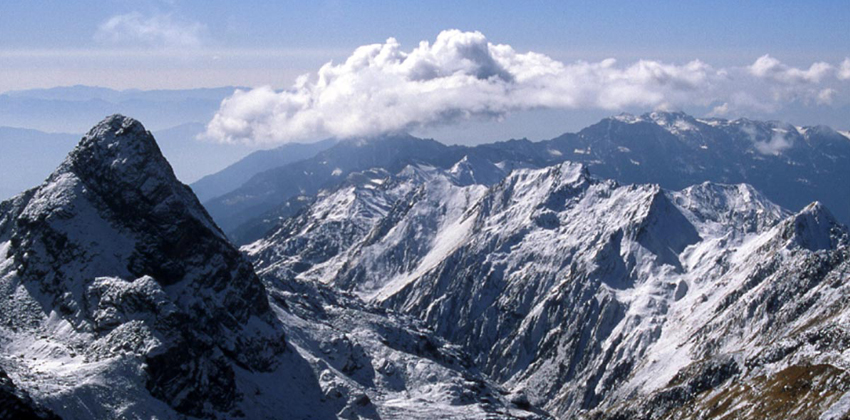
Paldor peak climbing is one of the ideal and popular trekking routes in Ganesh Himal areas. The area bestows you get observe eye-catching serene lakes, great Himalayan settings, beautiful waterfalls and fertile farming terraces. You will also explore around the tradition and lifestyle of the local Gurung and Tamang people. To reach Paldor, we drive from Kathmandu for 6 to 7 hours and begin from Sabru near Dunche which is located in the Trisuli valley. After that the path crosses the Langtang River to Sabrubesi. Then we come across the Bhote Kosi River passing via Tamang villages of Gatlang and Tangjet. Then, our route moves northwards along the edge before dropping to the forest over Mailung Khola. We can also move to the moraine occupied valley beneath Paldor from here in the next day’s walk. Another interesting path to reach Paldor peak trekking is from Sundarijal all the way through the hills of Helambu and above the range of Gosainkunda to Sabru.
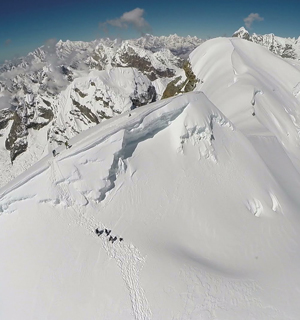
After you arrive at the summit, a magnificent view rewards you which widens from Mt. Machhapuchhre (Fish Tail) lying in the Annapurna range and to the peaks of the Khumbu area including the Mt. Shisapangma and the tanned hills of Tibet. After the demanding enjoyable mount, with an amusing walk we make our way back to the bazaar of Trishuli passing through picturesque path of Tiru Danda and Pansing Bhanjyang.
We Encounter Nepal design for anyone who is an adventure enthusiast and is physically fit. On reaching, Paldor peak high camp, we will use ice axe, crampons and rope. The peak is well-known for and excellent vista of Ganesh Himal with the frozen fangs of Pabil (7101m.), Ganesh I (7406m.),Lapsang Karpo (7150m.), Ganesh V (6950m.) and more. The best season for going to Paldor Peak is March to May and September to November. And you will accommodate at guest house or camp or tent. We provide full package for this Paldor Peak mount as a distinctive adventure trip including ascending permit from NMA and all other additional necessary equipments from entrance up to departure from Kathmandu. Moreover, our service take in the right maps of the trekking path, hygienic food cooked freshly, qualified and proficient trekking Sherpa guides well organized accommodation and tours facilities to Kathmandu.
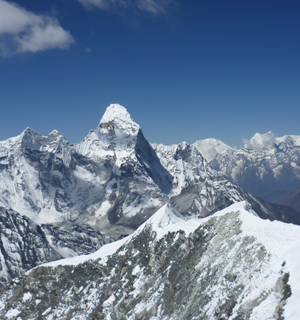
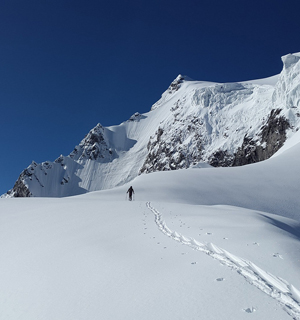
Our 18-day journey is a masterpiece of exploration. We bridge the gap between the Langtang and Ganesh Himal regions, taking you through vibrant Tamang heritage villages and over high alpine passes.

Day Adventure Stage      Experience Highlight
01-02 Kathmandu Arrival Gear check and cultural immersion.
03-05 Into the Wild Drive to Syabrubesi; trek to the stone houses of Gatlang.
06-08 The Mining Trail Crossing Khurpudanda Pass (3,750m) to the old zinc mines of Somdang.
09-11 The Ascent Establishing Base Camp (4,280m) and the final High Camp push.
12-13 SUMMIT DAY 5,903m of pure glory. Views of Manaslu, Everest, and Tibet.
14-16 The Ruby Valley Descending through high pastures like Pangsang La.
17-18 Return Journey Final trek to Bhalche and a scenic drive to Kathmandu.

Price Includes:

  • National Park Entry Permits
  • Trekkers' Information Management System (TIMS)
  • Local Transport 
  • Climbing Permit
  • Climbing Sherpa 
  • Climbing Gear 
  • Three Meals a Day: breakfast, lunch, dinner including tea/coffee with meals time (one per meal)
  • One Guide: English speaking, insured, registered, well-equipped, his salary, food and accommodation
  • One porter Between two person  insured registered, well-equipped, salary, food and accommodation
  • Accommodation (shared) in a tea house lodge
  • Safe drinking water
  • Emergency care service

Price Excludes:

  • Bar & beverage bills,Pesonal Gear 
  • Personal expenses. bottled water, desserts, shower, insurance, rescue,  personal clothing,
  • Any additional services requested and tips to the staff.

Paldor Peak Climbing: Frequently Asked Questions

1. How difficult is Paldor Peak compared to Island Peak?

Paldor ($5,923m$) is technically more challenging than Island Peak. While Island Peak has a very established route, Paldor is a true alpine climb in a remote region. It requires more "off-trail" navigation and a higher level of comfort with ice axes and crampons on 45-degree slopes.

2. Do I need previous mountaineering experience?

While you don't need to be a pro, we highly recommend that you have experience trekking at high altitudes ($4,000m+$). If you are a beginner with great fitness, our guides will provide technical rope training at Base Camp to prepare you for the summit push.

3. What is the best month to climb Paldor Peak?

The "Golden Windows" are October to November (stable weather and crystal-clear views of Manaslu) and March to May (warmer temperatures and beautiful rhododendron forests in the Ruby Valley).

4. Is there a "Base Camp Join" option for non-climbers?

Yes! This is one of our most popular features. Friends or partners can join the trek through the Ruby Valley and stay at Paldor Base Camp for 3–4 days. They get the wilderness experience without needing technical gear or climbing permits.

5. What kind of insurance do I need?

You must have a policy that covers Mountaineering/Climbing up to 6,000 meters and Emergency Helicopter Evacuation. Standard travel insurance usually stops at 4,000m, so ensure your provider knows you are climbing a "Trekking Peak."

6. Where do we sleep during the 18-day expedition?

During the trek through the Dhading and Ruby Valley regions, we stay in local Teahouses and Lodges. Once we reach Paldor Base Camp and High Camp, we switch to high-quality mountain tents with full kitchen support.

7. Is there mobile network or Wi-Fi on the Paldor trail?

Paldor is in a remote "Wilderness Zone." You will have a signal in the lower villages of Gatlang and Somdang, but expect zero signal at Base Camp and on the mountain. We carry satellite phones for emergencies.

8. What happens if I get Altitude Sickness (AMS)?

Safety is our #1 priority. Our guides are trained in AMS protocols. If you show symptoms, we have a "descend immediately" policy. We also carry oxygen cylinders and a comprehensive medical kit.

9. How much should I tip the Sherpa guides and porters?

Tipping is a mountain tradition. As a general rule, we suggest $150–$250 USD per climber to be split among the support staff, but this is always at your discretion based on the service.

10. What technical gear is required for the summit?

You will need:

  • Double mountaineering boots (rated for -20°C)

  • Crampons and Ice Axe

  • Climbing Harness and Carabiners

  • Ascender (Jumar) and Descender (Figure 8)

  • Note: Most of this can be rented in Kathmandu through Encounters Nepal.