Feel the thrill of the Himalayas with team of highly experienced trekking professionals.

Island Peak: Your Gateway to the 6,000m Club.

Home » Destinations » Nepal » Peak Climbing in Nepal » Island Peak Climbing
From USD USD 4.2K
100% 5 star based on 81 reviews.
Based on TripAdvisor Reviews
Island Peak Climbing

Island Peak Climbing

Island Peak Climbing: Quick Facts

Feature Details
Trip Duration 19 Days
Trekking Duration 18 Days
Max Altitude 6,189m (20,305 ft)
Difficulty Grade Hard / Technical (requires crampons & ice axe)
Accommodation Teahouse/Lodge during trek; Tent at High Camp
Best Season Spring (March-May) & Autumn (Sept-Nov)

Main Attractions & Summit Views

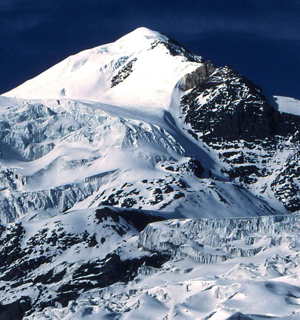
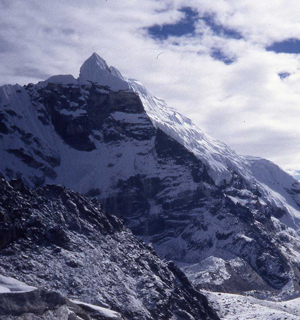
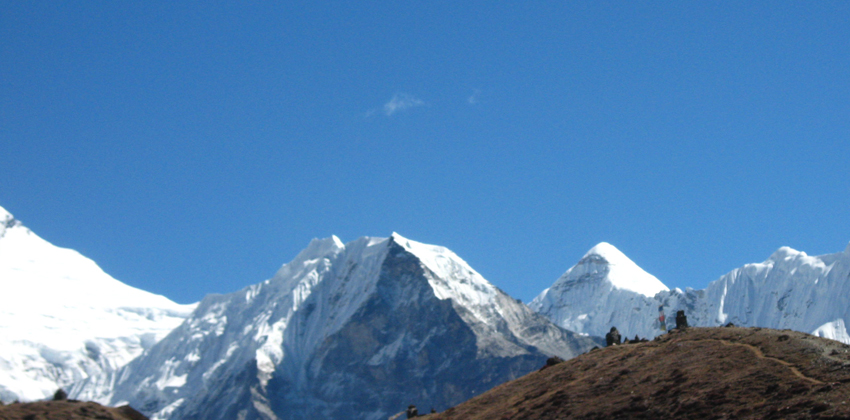
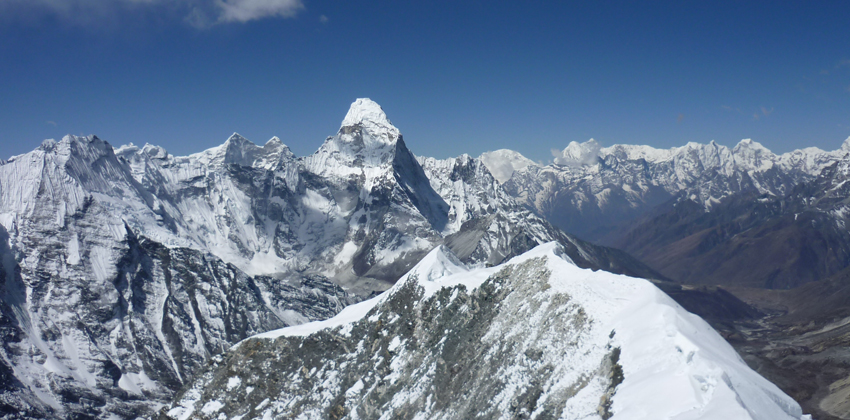
Island Peak (Imja Tse) is world-famous not just for the climb, but for its location in the heart of the "Himalayan Giants." From the summit, you are treated to a 360-degree panorama of:

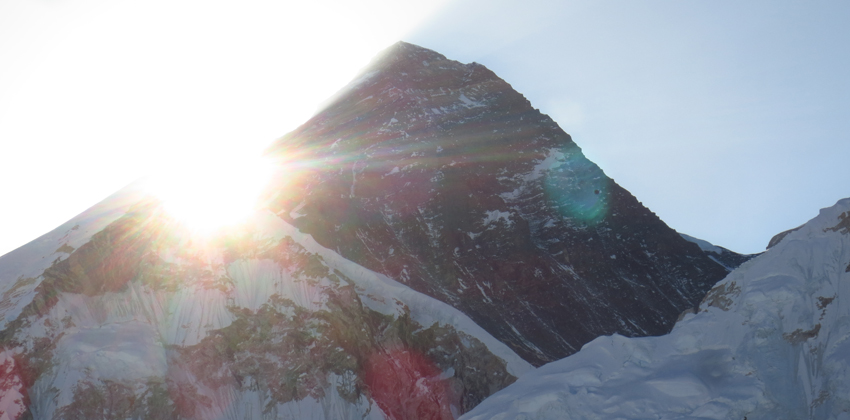
  • Mount Everest (8,848m): The world’s highest peak looming to the North.

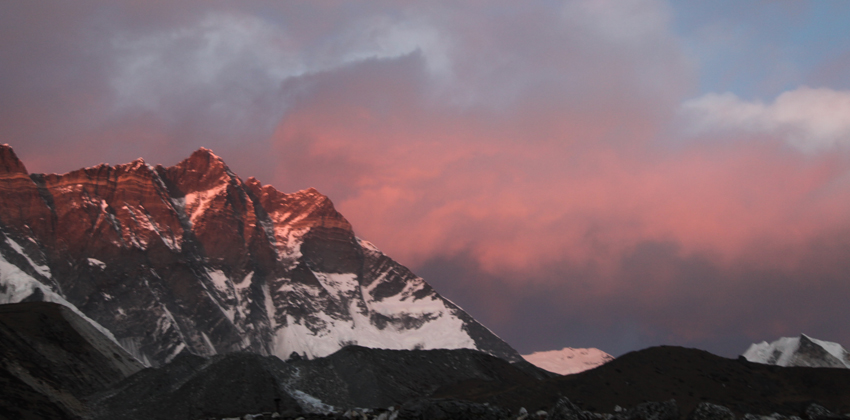
  • Lhotse (8,516m): The massive South Face of Lhotse stands directly in front of you.

  • Makalu (8,485m): Visible to the East.

  • Cho Oyu (8,188m): Dominating the horizon to the West.

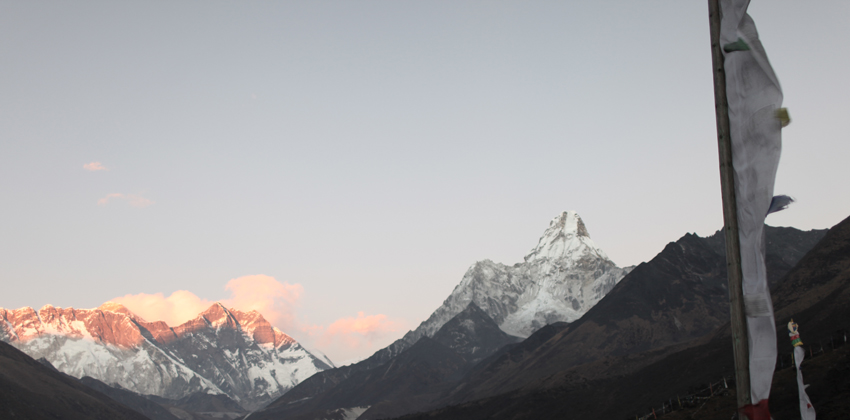
  • Iconic Peaks: Sharp views of Ama Dablam, Nuptse, Pumori, and the Baruntse range.

Island Peak (6,189m): Your First Step Into the World of Giants

They say we don’t truly conquer the mountains; we conquer ourselves. Standing at the foot of Island Peak—known to us locals as Imja Tse—you’ll feel that shift in your soul. This isn't just another "trekking peak." It is the bridge between being a hiker and becoming a mountaineer. Whether you’re an aspiring climber or a trekker looking to see what you’re truly made of, this 19-day journey turns your "one day" into Day One.

Why 19 Days? Because We Respect the Mountain

We don’t believe in rushing the Himalayas. Our 19-day itinerary is a masterclass in patience and preparation. You’ll spend a week soaking in the magic of the "Everest Trail"—winding through the prayer-flag-lined streets of Namche Bazaar and feeling the ancient spiritual pulse of the Thyangboche monastery.

Before we ever touch the snow, we’ll guide you through Everest Base Camp, Kala Patthar, and the legendary high passes of Cho La and Kongma La. This isn't just for the views; it’s our "secret sauce" for acclimatization. By the time you face the technical 45-degree ice wall, your body is strong, your lungs are ready, and your mind is clear. This careful pacing allows us to strike the summit in a single, explosive day—saving you from shivering in high-altitude tents on frozen slopes and letting you focus entirely on the victory.

The "Base Camp Join": Don’t Leave Your Tribe Behind

The best adventures are the ones we share. We know that not everyone in your group wants to clip into a harness, and that’s okay! With our 3 to 4-day "Base Camp Join" option, your friends or partner can be part of the journey without the vertical climb.

While you prepare for the summit, they get to live the "Expedition Life." They can trek to the foot of the Imja Glacier, soak in the high-alpine atmosphere, and be there at Base Camp to welcome you back with a hot cup of tea and a huge hug. It’s the perfect way to share the dream while respecting everyone’s personal limits.

A View That Changes You

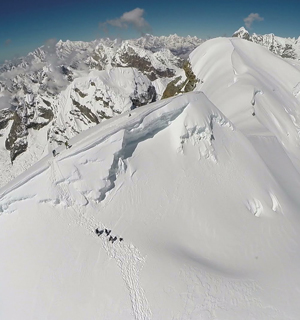
When you finally stand on that narrow summit ridge, the world looks different. You aren't just looking at the mountains; you are among them. You’ll be eye-to-eye with the massive Lhotse South Face and the soaring peak of Mt. Everest.

At Encounters Nepal, we aren’t just your guides—we are your partners. We’ve spent decades in these valleys, and we live for the moment our guests realize they are capable of more than they ever imagined.
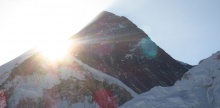
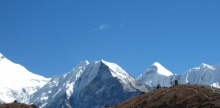
19-Day Island Peak Climbing Itinerary: The Ultimate Summit Challenge

Experience the pinnacle of the Everest region. This route is carefully designed to include Kala Patthar (5,545m) for the best views of Everest before you attempt the Island Peak (6,198m) summit.

Detailed Daily Itinerary

Day Destination Altitude Accommodation Key Highlights
01 Arrival in Kathmandu 1,400m Hotel Meet the Encounters Nepal team.
02 Prep & Briefing 1,400m Hotel Equipment check and official permits.
03 Fly to Lukla / Trek to Phakding 2,652m Teahouse Scenic flight & easy riverside trek.
04 Trek to Namche Bazaar 3,440m Teahouse Entrance to Sagarmatha National Park.
05 Acclimatization Day 3,440m Teahouse Explore Namche or Everest View Hotel.
06 Trek to Thyangboche 3,867m Teahouse Visit the famous Everest Monastery.
07 Trek to Pheriche 4,343m Teahouse Stunning views of Ama Dablam.
08 Trek to Lobuche 4,930m Teahouse Walking alongside the Khumbu Glacier.
09 Kala Patthar Summit 5,545m Teahouse The best sunset/sunrise view of Everest.
10 Trek to Dingboche 4,243m Teahouse Descend slightly to recover for the climb.
11 Trek to Chhukung 4,800m Teahouse Preparing for the Island Peak approach.
12 Island Peak Base Camp 5,100m Tent Transition to expedition camping.
13 Island Peak High Camp 5,500m Tent Strategic positioning for summit day.
14 SUMMIT DAY (6,198m) 6,198m Tent Island Peak Summit & back to BC.
15 BC to Dingboche 4,243m Teahouse Celebrating the successful climb.
16 Trek to Thyangboche 3,867m Teahouse Retracing steps through rhododendrons.
17 Trek to Namche Bazaar 3,440m Teahouse Return to the "Sherpa Capital."
18 Trek to Lukla 2,800m Teahouse Final night in the mountains.
19 Fly to Kathmandu 1,400m Hotel Transfer to hotel and farewell dinn

Price Includes:

  • Everest National Park Entry Permits
  • Island peak Climbing permit 
  • Climbing guide 
  • Trekkers' Information Management System (TIMS)
  • Kathmandu-Lukla -Kathmandu air ticket (USD +NRS)
  • Three Meals a Day: breakfast, lunch, dinner including tea/coffee with meals time (one per meal)
  • One Guide: English speaking, insured, registered, well-equipped, his salary, food and accommodation
  • One porter Between two person  insured registered, well-equipped, salary, food and accommodation
  • Accommodation (shared) in a tea house lodge
  • Safe drinking water
  • Emergency care service

Price Excludes:

  • Bar & beverage bills,
  • Pesonal climbing gear
  • Personal expenses. bottled water, desserts, shower, insurance, rescue,  personal clothing,
  • Any additional services requested and tips to the staff.

Top 10 Essential FAQs for Island Peak Climbing

1. How hard is Island Peak compared to Everest Base Camp (EBC)?

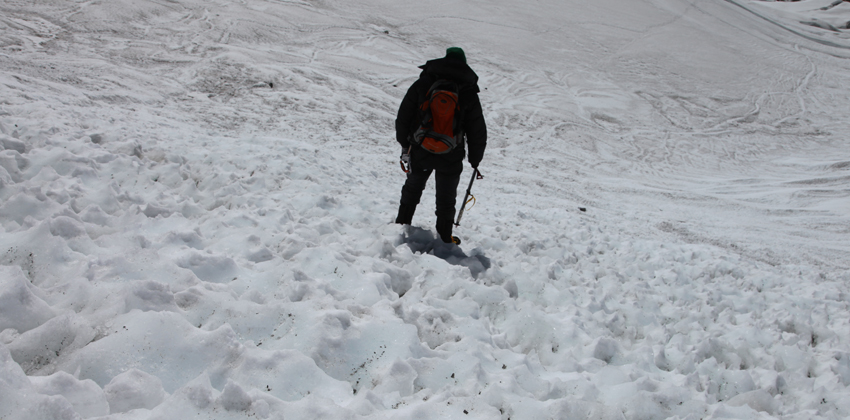
Island Peak is significantly harder than the EBC trek. While EBC is a "high-altitude hike" on rocky trails, Island Peak is a "technical climb." It requires the use of crampons, harnesses, ice axes, and climbing fixed ropes. You will face a 45–60 degree snow headwall which is physically demanding and requires more mental grit than a standard trek.

2. Do I need prior mountaineering experience?

No, prior mountaineering experience is not mandatory, but it is highly recommended. If you have experience with high-altitude trekking (like EBC or Annapurna), you can summit Island Peak. We provide Pre-climbing training at Base Camp where our Sherpas teach you how to use a Jumar, carabiners, and abseiling techniques.

3. What is the best month to climb Island Peak in 2026?

The best months are April and May (Spring) or October and November (Autumn). Spring offers longer daylight and warmer temperatures, making the summit push more comfortable. Autumn provides the crispest, clearest views of Lhotse and Makalu with the most stable weather conditions.

4. How much does it cost to climb Island Peak?

For 2026, a professional 19-day all-inclusive package costs approximately $3,200 USD. This includes your climbing permit ($250 in Spring), round-trip Lukla flights ($400+), expert climbing Sherpas, all meals, and accommodation. Be cautious of "budget" operators under $2,000, as they often cut costs on safety gear and guide ratios.

5. Can I see the summit of Mt. Everest from Island Peak?

Technically, the very tip of Everest is visible, but the massive Lhotse Face stands directly between Island Peak and Everest, blocking the full view. However, the 360-degree panorama of Ama Dablam, Makalu, and Nuptse from the summit is considered one of the best in the Himalayas.

6. Why is a 19-day itinerary better than a 14-day one?

The #1 reason for failed summits is altitude sickness (AMS). A 19-day itinerary includes essential acclimatization at Kala Patthar (5,545m). By "climbing high and sleeping low" before the actual summit attempt, your body produces more red blood cells, giving you a 90%+ success rate compared to the 60% rate of shorter trips.

7. What gear can I rent vs. what should I bring?

  • Rent in Chhukung: Heavy items like plastic mountaineering boots, crampons, ice axes, helmets, and harnesses (approx. $150 total).

  • Bring from Home: Your broken-in trekking boots, $-20^{\circ}C$ rated sleeping bag, high-quality down jacket, and specialized "category 4" glacier sunglasses.

8. How do I prepare physically for a 6,000m peak?

Start training 4–6 months in advance. Focus on:

  • Cardio: 1-hour sessions (running, cycling, or swimming) 4 times a week.

  • Strength: Weighted hill hiking (carrying 10–15kg) to simulate the trek.

  • Leg Power: Squats and lunges to prepare for the steep descent.

9. Is there a "High Camp" on Island Peak?

Yes. While some operators climb directly from Base Camp (5,100m), Encounters Nepal uses a High Camp (5,500m). Starting from High Camp on summit day saves you 2–3 hours of steep rock scrambling in the dark, allowing you to reach the summit with more energy for the technical headwall.

10. What happens if I get altitude sickness during the climb?

Safety is our priority. Our guides carry Oximeters to monitor your oxygen saturation daily. If you show signs of moderate AMS, you will be escorted down immediately to a lower altitude (Dingboche). For emergencies, we are equipped to coordinate Helicopter Evacuation via your travel insurance.